Year | 2014
Type | Writing
Type | Writing
Tag on a pile of sand
It was a summer afternoon just before the casino industry in Macau was open to foreign investors. Nuno and I were cycling on the outskirts of Taipa like usual except we did a detour from our regular route this time and later found ourselves standing at the top of a pile of sand in the middle of a desert land which extended indefinitely towards the horizon. The land was reclaimed from the sea for the construction of a new casino district, one that imitates the style of the Las Vegas Strip as we understood some years later. There were no rules back then. There were just the two of us and the screeching noise of cicadas from the woods in the distance.
We sat on the ridge and were dazed by this unfamiliar landscape but were soon distracted by a coetaneous group who cycled past. They too were curious about the sand pile and joined us. We climbed and slid down the bank uncovering the character, texture, strangeness, possibility of this find can offer.
With a twig, we drew a line around the base of the sand pile to demarcate the boundary of our ‘playground’ and simply played the tag. The game was unusually challenging and fun. One have to run and balance on an inclined and unsteady surface. The change of height in the terrain also allows the players to hide from the chaser.
The more we played the more we became familiar with the sand and desire to extend the nature of the game to another level. Rather than placing the boundary at the bottom, we redrew it to different heights; closer to the ridge in some areas, thus creating a spectrum of excitement along the terrain. And since the sand was excavated from the sea bed, the moisture that holds some of the sand together has also captured our attention that it became an element for the chase player to throw and tag others in an alternative way. Towards the evening, it became a sand fight between two groups hiding on either side of the sandpile.
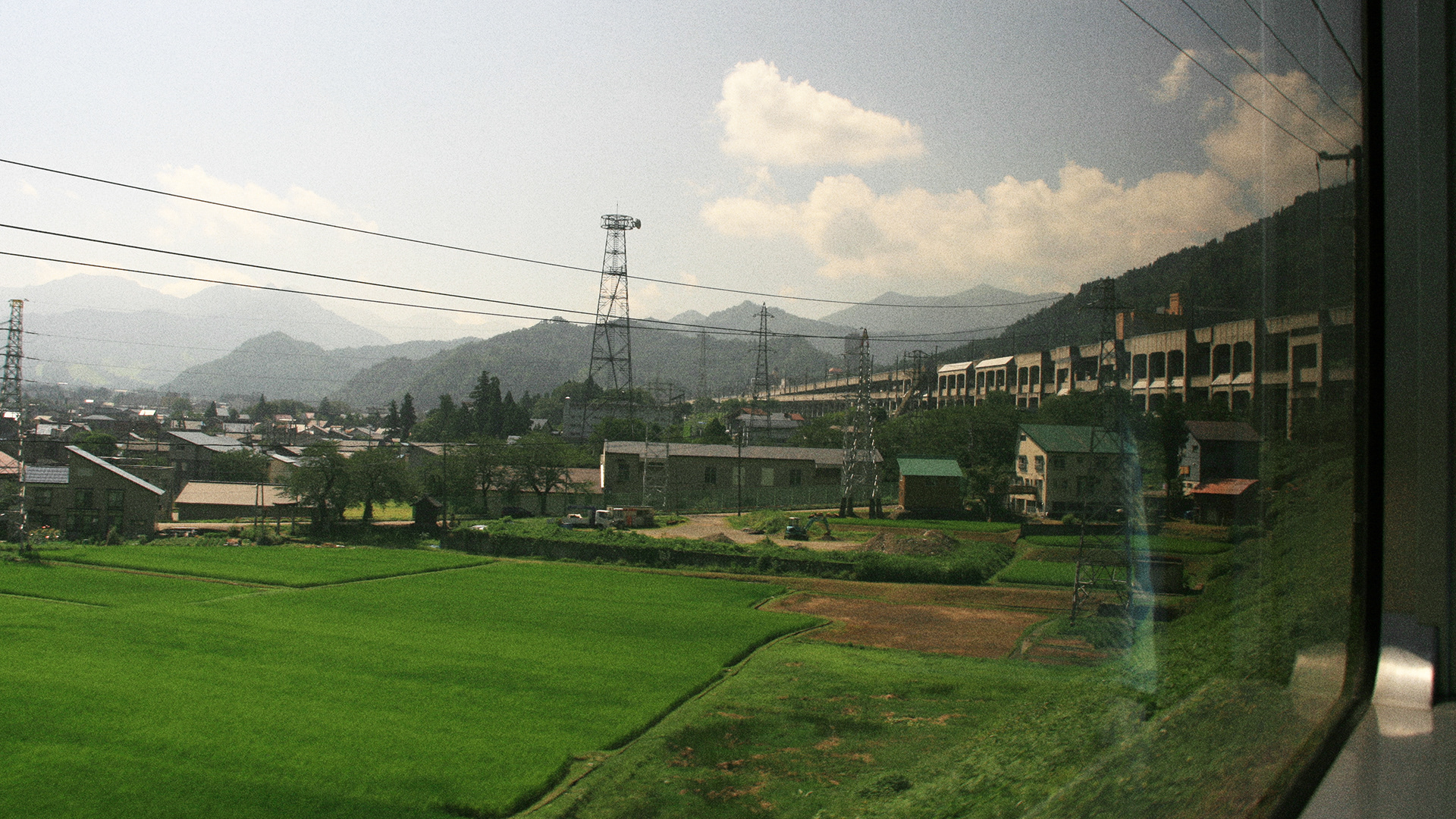
This memory was recalled when I attended a two-week architectural workshop at a rural village, Koshirakura, in Japan. Within the village, there is no designated playground, no slide, no swing. Children were appropriating their play space next to the rice fields, road and the disused elementary school which was only open in the summer to accommodate our stay. They played and ran from one classroom to another, corridors to stairs, or they could spend the whole afternoon climbing up and down the long ropes hanged from the ceiling of the assembly hall. There is no rule but infinite freedom to imagine how and what they play in the school and so as in the village.
I left for Tokyo after the workshop, while the bullet train began to immerse into a warping image of the metropolis of countless buildings in a high speed, the journey seems to suggest that this sense of openness and freedom we used to associate with a place is lost in the progression from the child world and the world of adult. I ponder, how could architecture liberate imagination in modern day living as the childhood experience these children encounter in the village?